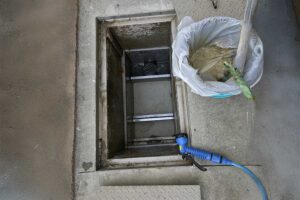
Grease trap cleaning every one to three months keeps restaurant drains flowing through the holiday rush. Consider It Done Plumbing, Water Heaters, and Drain Cleaning helps North Manhattan, NY, restaurants schedule cleanings by volume, spot slow drains and odors early, and handle the pumping and disposal so kitchens stay open on their busiest nights.
Key Points
- Clean on Schedule: Most restaurants need grease trap cleaning every one to three months, and busy kitchens may need it monthly.
- Use the 25 Percent Rule: A grease trap that reaches 25 percent full of grease and solids is due for cleaning.
- Right Equipment Matters: Pumps, scrapers, and enzyme treatments each play a different role in keeping a trap working.
- Watch the Warning Signs: Foul odors, slow drains, backups, visible grease, and high water levels all call for prompt service.
- Call Before the Rush: Booking a professional cleaning before holiday volume peaks prevents backups during your busiest service.
Why Is Regular Grease Trap Cleaning Essential for Restaurants?
Regular grease trap cleaning prevents the clogs and backups that shut down restaurant kitchens. A grease trap catches fats, oils, and food solids before they reach the sewer, and once it fills up, that waste starts moving into your drain lines. In our work with restaurants across North Manhattan, from the dining rooms along Frederick Douglass Boulevard in Harlem to the busy spots on Dyckman Street in Inwood, the trap is the piece that owners most often forget until it fails.
An ignored grease trap leads to backups that disrupt service and frustrate both staff and guests. A kitchen sink that stops draining in the middle of a Friday dinner can take a whole line offline.
Regular cleaning also supports compliance with New York City grease rules. NYC requires food service establishments to keep grease interceptors in working order, and a neglected trap can lead to violations, fines, or forced downtime. Keeping a record of each cleaning gives you proof of maintenance if an inspector asks.
A clean grease trap also cuts down on the odors that drift from the kitchen into the dining room. Many North Manhattan restaurants operate in prewar buildings along the Broadway corridor, where kitchens sit close to seating areas, so smells travel fast.
Finally, a well-maintained grease trap extends the life of the building’s plumbing. Grease that escapes the trap hardens inside the drain lines and narrows them over time. Periodic line cleaning, including hydro jetting for heavy buildup, keeps the pipes downstream of the trap in good condition.
How Often Should You Clean Your Grease Trap?
Most restaurants should schedule grease trap cleaning every one to three months, depending on how much grease the kitchen produces. A high-volume kitchen that fries daily may need cleaning every month, especially during the holiday season when covers and catering orders climb.
The most reliable way to set your schedule is to track the grease level in the trap. When fats, oils, and solids reach 25 percent of the trap’s capacity, it is time for a cleaning. Waiting longer lets grease pass through into the drain line.
Slow drainage or unpleasant odors are signs the trap needs attention sooner than your normal schedule. Regular maintenance prevents grease from building up and keeps the whole plumbing system running efficiently. Our restaurant plumbing services include helping owners set a cleaning interval that matches their actual volume, so they are not paying for cleanings too early or waiting until a backup forces the issue.
What Tools and Products Are Used for Grease Trap Maintenance?
Effective grease trap maintenance depends on the right equipment, and each tool handles a different part of the job. Staying ahead of grease buildup matters most in the weeks before the holiday rush, when a failure costs the most.
These are the tools and products that keep a grease trap working:
- Grease Trap Pump: A pump removes the accumulated grease and wastewater quickly and completely.
- Scraper: A scraper removes hardened buildup from the walls and baffles of the trap.
- Biological Enzymes: Enzyme treatments help break down grease between cleanings and reduce odors, but they do not replace pumping.
- Protective Gloves: Gloves protect hands from hot, contaminated, and sharp material during cleaning.
- Buckets and Sealed Containers: Containers collect waste and keep the work area clean until disposal.
Regular maintenance with the right equipment also helps prevent sewage backups and keeps the kitchen healthier for staff and patrons.
What Does a Professional Grease Trap Cleaning Involve?
A professional grease trap cleaning removes all of the grease, solids, and residue from the trap, then returns it to service and disposes of the waste properly. Cleaning a trap is messy, smelly, and easy to get wrong, which is why most restaurant owners hand it off.
A typical professional cleaning follows this order:
- Shutoff: The technician stops flow into the trap so waste does not move back into the kitchen during service.
- Lid Removal: The lid is lifted carefully to avoid spills and to check the condition of the gaskets and baffles.
- Waste Removal: Solid waste and grease are pumped out and scraped from the sides and bottom.
- Rinse: The trap is rinsed to clear remaining residue so it starts the next cycle empty.
- Disposal: Waste is sealed in containers and disposed of according to city requirements.
- Restart: The lid is replaced, flow is restored, and the trap is checked for proper operation.
Our team performs professional grease trap cleaning on a schedule that fits around your service hours. Regular cleaning keeps the trap working and prevents expensive problems later, the same way routine care on any building system avoids emergency repairs.
What Are the Signs Your Grease Trap Needs Immediate Attention?
A grease trap needs immediate attention when you notice foul odors, slow drains, frequent backups, visible grease, or unusually high water levels. Ignoring these signs can lead to costly repairs and health code violations.
These are the warning signs to act on right away:
- Foul Odors: Persistent unpleasant smells from floor drains or sinks point to heavy buildup in the trap.
- Slow Drains: Sinks that drain slowly often mean the trap or the line after it is partly clogged.
- Frequent Backups: Water backing up into the kitchen indicates a serious blockage that needs service now.
- Visible Grease: Grease pooling at the surface or around drains means the trap is past capacity.
- High Water Levels: A water level that sits higher than normal suggests the trap is overloaded or the outlet is blocked.
If you see any of these during a busy week, call us rather than waiting for the next scheduled cleaning. A small problem caught on a Tuesday is far easier to fix than a full backup on a Saturday night.
Frequently Asked Questions
How much does grease trap cleaning cost for a restaurant?
Grease trap cleaning cost depends on the trap size, how full it is, how hard it is to access, and whether the drain line also needs clearing. Indoor traps under prep sinks differ from larger interceptors in a basement. We give you a clear quote before any work starts, and our plumbing pricing FAQ explains common cost drivers.
Can enzyme treatments replace grease trap pumping?
Enzyme treatments cannot replace grease trap pumping. Enzymes help break down some grease and reduce odors between cleanings, but solids and heavy fats still settle in the trap and must be physically removed. Restaurants that rely only on enzymes often end up with a full trap, slow drains, and grease moving into the building’s drain line.
When should a North Manhattan restaurant book a cleaning before the holidays?
A North Manhattan restaurant should book grease trap cleaning a few weeks before holiday volume starts, typically before Thanksgiving week. That timing leaves the trap empty heading into the busiest stretch. Kitchens in Harlem, Washington Heights, and Inwood that cater large parties or run extended hours may also need a second cleaning before New Year’s.
What happens if grease gets past the trap into the drain line?
Grease that gets past the trap cools and hardens inside the drain line, narrowing the pipe until wastewater backs up. A snake may open a path, but it often leaves grease coating the pipe walls. Hydro jetting scours the line clean, and a camera inspection confirms whether the pipe itself has damage that needs repair.
Keep Your North Manhattan Kitchen Running Through the Holidays
A clean grease trap is about more than compliance. It keeps your kitchen open, your drains moving, and your dining room free of odors when every table counts. Consider It Done Plumbing, Water Heaters, and Drain Cleaning provides grease trap cleaning for restaurants across North Manhattan, NY, and is led by an NYC-licensed master plumber. Before the holiday rush arrives, contact our team today and we will give you a clear quote before any work starts.