
Grease Management 101: Protecting Your Plumbing
We’ve all been there: you’ve just cooked up a delicious meal, and you’re left with a pan full of grease. It might seem harmless, maybe even logical, to pour it down the sink. But from a plumbing perspective, that’s a big no-no. Let’s dive into the world of grease management and how to ensure your pipes remain clog-free and happy.
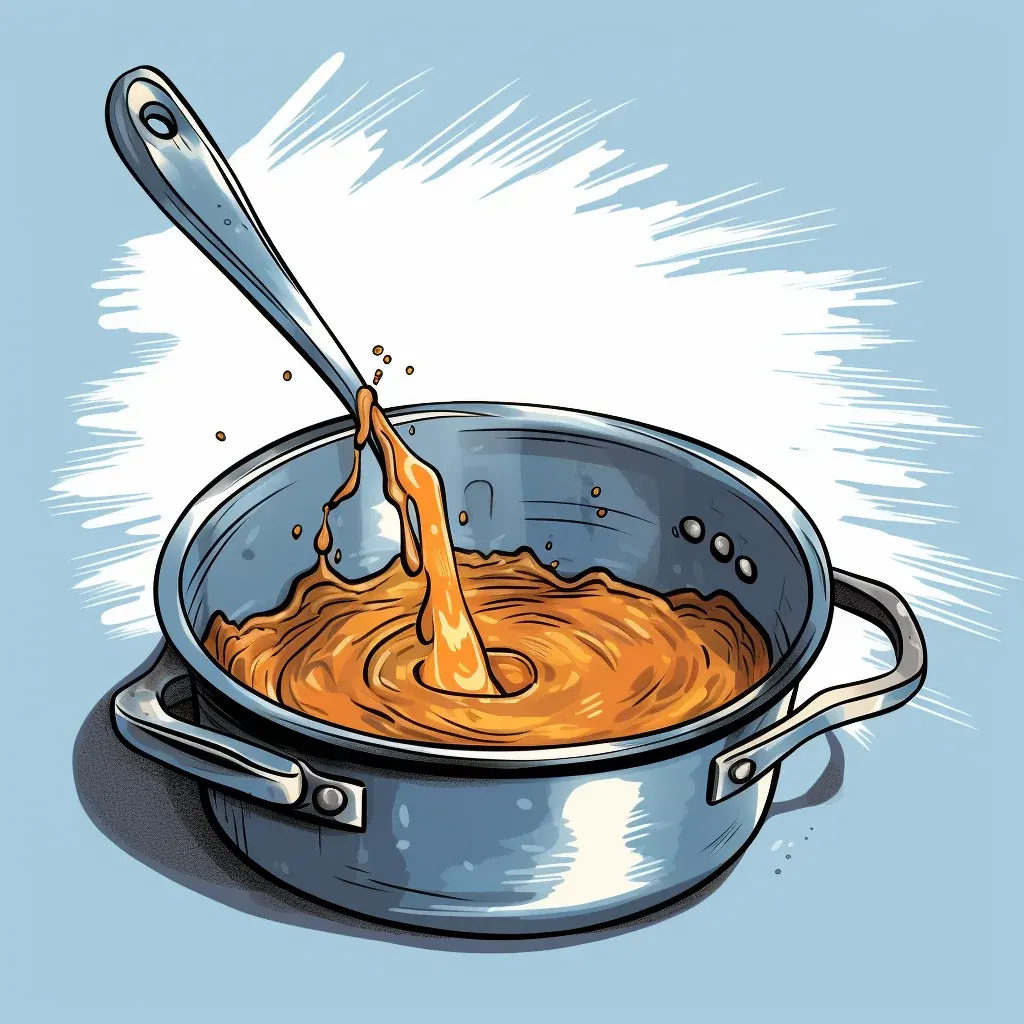
The Slippery Truth About Grease:
While grease may appear liquid and harmless when hot, it solidifies as it cools. In your pipes, this can lead to blockages, restricting water flow and potentially causing backups.
The Not-So-Great Grease Domino Effect:
Once grease starts to solidify in your pipes, it can trap other debris, like food particles, leading to even bigger blockages.
The Environmental Impact:
When grease clogs up sewer systems, it can lead to overflows, contaminating local waterways and harming aquatic life.
The Safe Grease Disposal Method:
- Cool It Down: Allow the grease to cool and solidify in the pan or transfer it to a container.
- Scrape It Out: Once solidified, scrape the grease into your trash bin.
- Wipe It Clean: Before washing your pan, wipe out any residual grease with a paper towel.
Reuse or Recycle:
Many people opt to reuse cooking grease, especially bacon fat, for future cooking. Storing it in a jar and keeping it in the fridge is a popular method. However, proper disposal is crucial, as pouring grease down the drain can lead to serious plumbing issues. To avoid costly drain cleaning, always check with local recycling centers or environmental programs. Some places even offer recycling options for larger quantities of cooking grease, making it easier to dispose of it responsibly.
Grease Traps for the Win:
If you’re running a commercial kitchen or just cook a lot at home, consider installing a grease trap. It’s designed to catch grease before it enters the plumbing system.
Educate and Advocate:
Share your knowledge! Inform family members and friends about the importance of proper grease disposal. The more people know, the better off our plumbing systems and environment will be.
Regular Plumbing Check-ups:
Just as you’d visit a doctor for a check-up, have a professional plumber inspect your system regularly. They can spot potential grease buildup before it becomes a problem.
Avoid “Flushable” Wipes and Other Culprits:
Grease isn’t the only thing that can cause blockages. Be wary of products labeled “flushable” and avoid putting things like coffee grounds down the sink.
Grease might make our food taste great, but it’s not so great for our plumbing. By being mindful of how we dispose of grease and educating those around us, we can keep our pipes flowing smoothly and protect the environment. So, the next time you’re faced with that pan of grease, give it the respect it deserves. Your plumbing will thank you!