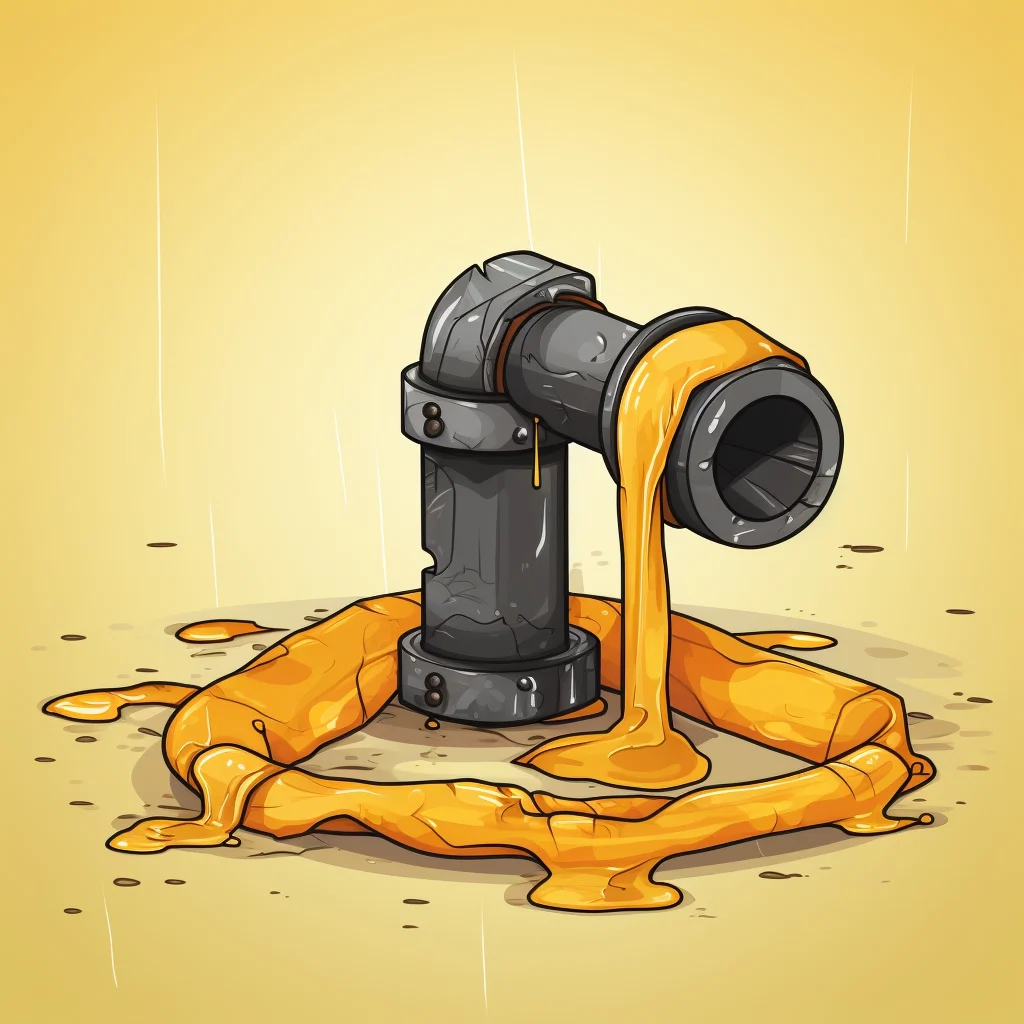
Few things send a homeowner into panic mode faster than watching water spread across the floor. In our service calls throughout Brooklyn, from century old brownstones in Park Slope to co-ops near Bay Ridge, we hear the same question constantly: what should I actually do before the plumber gets here? The good news is that a leak rarely needs to turn into a disaster if you know how to respond in the first few minutes.
Stop the Water Before It Spreads
The most important step in any plumbing emergency is cutting off the water supply. Every Brooklyn home has a main shut off valve, typically near the water meter in the basement or utility closet, and locating it before you ever have an emergency can save precious minutes. If the leak is coming from a specific fixture, like a toilet or under a sink, the individual shut off valve for that fixture is usually enough to stop the flow without cutting water to the entire house.
Once the water is off, opening nearby faucets helps drain the remaining pressure sitting in the pipes. This won’t stop water that has already escaped, but it reduces how much continues to leak out while you wait for help.
Limit the Damage, Don’t Attempt the Repair
This is where many homeowners get into trouble. Pipe repair tape, epoxy putty, and hose clamps are marketed as quick fixes, but attempting to patch a pressurized line yourself often makes the underlying problem worse, especially in older buildings where pipe material and water pressure can behave unpredictably. Working in homes across Brooklyn, we regularly get called out after a temporary patch failed at 2 a.m. because a homeowner didn’t realize the surrounding pipe was already weakened by corrosion.
Instead of attempting a repair, focus on containment. Buckets, towels, and a wet vacuum if you have one will protect your floors and belongings while you wait. Moving furniture, rugs, and electronics away from the affected area is far more useful than trying to seal a leak with materials that were never designed for plumbing repairs.
Why Temporary Fixes Are Riskier Than They Seem
Based on what we see in Brooklyn properties, pre-war buildings often still have galvanized steel or cast iron supply lines, materials that corrode from the inside out in ways that aren’t visible until a failure occurs. A leak in one of these older lines is frequently a symptom of a larger issue, not an isolated event. Patching the visible leak point with tape or putty can mask the problem just long enough for pressure to build somewhere else in the line, leading to a bigger failure later.
Newer construction with PEX or copper piping is generally more forgiving, but even then, a DIY patch is only ever a stopgap. The goal while you wait isn’t to fix the pipe, it’s to prevent water damage and keep everyone safe until a licensed plumber can properly diagnose what’s actually happening inside the wall.
Signs the Situation Needs Immediate Attention
Not every leak carries the same urgency, but a few warning signs mean you shouldn’t wait for a scheduled appointment:
- Water pooling near electrical outlets or panels
- A leak that continues even after the main valve is shut off
- Visible mold, warping, or ceiling stains suggesting a hidden leak
- Sudden drops in water pressure throughout the home
- Water heater leaks accompanied by a burning or metallic smell
If any of these apply, treat it as an emergency rather than something to monitor overnight.
What to Expect When the Plumber Arrives
A professional visit isn’t just about stopping the drip you can see. Technicians use leak detection equipment to trace water paths behind walls and under flooring, which matters most in Brooklyn’s older housing stock where original plumbing runs behind plaster and lath rather than easily accessible drywall. This is also the point where a plumber can tell you whether the leak is isolated or a sign that a fixture, like a faucet assembly or water heater tank, needs repair or replacement.
If the leak originated at your water heater, that’s worth flagging immediately when you call, since water heater issues can escalate quickly and sometimes involve gas lines or electrical components that shouldn’t be handled without training.
Protecting Your Home After the Water Is Off
Once the immediate leak is contained, keep the area dry and ventilated. Standing water in a Brooklyn basement, particularly in older buildings without proper drainage, can lead to mold growth within 24 to 48 hours according to guidance from the EPA. A fan or dehumidifier pointed at the affected area helps reduce that risk while you wait for repairs.
It’s also worth documenting the damage with photos, both for your own records and in case you need to file a claim. The Insurance Information Institute offers useful guidance on what water damage is typically covered under a standard homeowners policy, which varies more than most people expect.
When Every Minute Counts
A leak rarely announces itself at a convenient time, but knowing the right first steps limits the damage until help arrives. If you’re dealing with an active leak right now, contact our team today and we’ll walk you through what to do while a technician heads your way.
Frequently Asked Questions
Should I try to patch the pipe myself while waiting?
No. Temporary patches can mask a larger issue, especially in older Brooklyn homes with corroded or aging pipe materials. Focus on containment instead.
Where is the main water shut off valve usually located?
In most Brooklyn homes, it’s near the water meter in the basement or a utility closet close to where the main line enters the building.
How quickly can water damage lead to mold?
Standing water can start contributing to mold growth within 24 to 48 hours, particularly in basements with poor ventilation.
Is a slow leak still considered an emergency?
Not always, but a leak near electrical components, one that won’t stop after shutting off the main valve, or one involving the water heater should be treated urgently.
What should I do while waiting for the plumber?
Shut off the water, drain remaining pressure from the faucets, contain the leak with towels or buckets, and document the damage for insurance purposes.