
How Water Softeners Work: The Science Behind Soft Water
Water is a universal solvent, and as it travels through the ground, it picks up various minerals. In many parts of the world, including parts of Brooklyn, water contains a high concentration of calcium and magnesium. This type of water is termed “hard water.” While hard water isn’t harmful to drink, it can cause a myriad of issues in your home, from spotty dishes to reduced soap lathering and even scale buildup in pipes. Enter the water softener, a household hero that tackles hard water problems head-on. For those looking to make a change, a professional water softener installation service can ensure optimal performance. But how does it work? Let’s dive in.
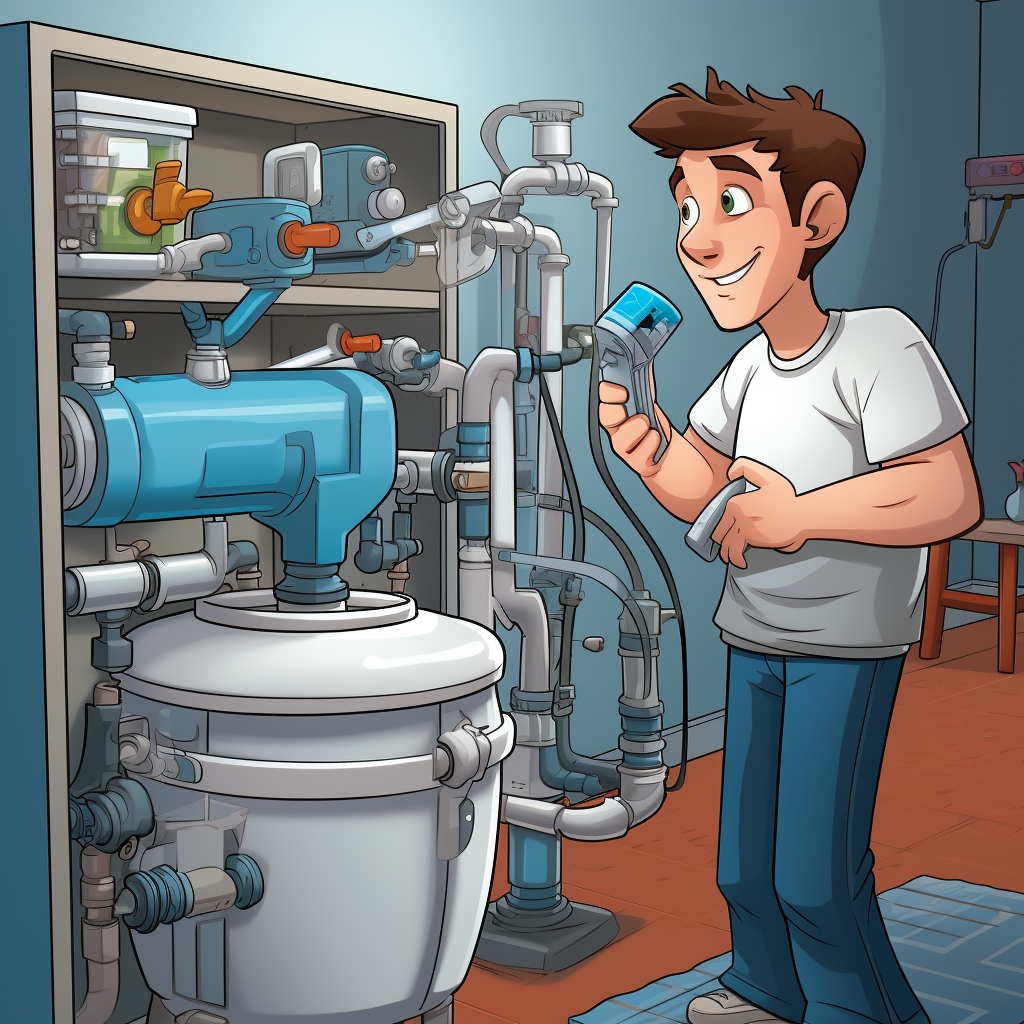
The Basics of Hard Water
Hard water contains dissolved calcium, magnesium, and other minerals. These minerals can cause scale buildup in pipes and appliances, reduce the effectiveness of soaps and detergents, and leave spots on dishes and fixtures.
The Science Behind Water Softeners
Water softeners use a process called ion exchange to remove these hard minerals. The core of a water softener is its resin bed, filled with tiny resin beads that carry a negative charge. Calcium and magnesium in hard water carry positive charges. Opposites attract, so when hard water flows through the resin bed, the calcium and magnesium ions “stick” to the resin beads, and sodium ions are released into the water in their place.
Regeneration Process
Over time, the resin beads become saturated with calcium and magnesium ions and need to be “recharged.” This is where the brine tank comes into play. The brine tank contains a salt solution. During the regeneration process, this salty water washes over the resin beads. The high concentration of sodium in the brine solution forces the calcium and magnesium ions off the resin beads, and they are replaced by sodium ions. The hard minerals and excess brine are then flushed from the system.
Benefits of Softened Water
- Efficiency: Soft water allows soaps and detergents to lather better, meaning you use less and save money.
- Longevity: Appliances like dishwashers, washing machines, and water heaters last longer and run more efficiently without scale buildup.
- Skin and Hair: Soft water can leave your skin feeling smoother and your hair shinier because there’s no mineral residue left behind.
- No More Spots: Say goodbye to those pesky spots on your dishes and fixtures.
Salt-Free Softeners
While traditional water softeners use salt in the regeneration process, there are salt-free alternatives available. These systems condition the water by crystallizing the minerals, preventing them from sticking to surfaces. While they don’t technically “soften” the water, they do prevent scale buildup.
Conclusion
Understanding how water softeners work can help homeowners make informed decisions about treating hard water issues in their homes. With the right system in place, you can enjoy all the benefits of soft water and protect your home’s plumbing and appliances from the adverse effects of mineral buildup. And remember, if you’re ever in doubt about your water quality or the best treatment solution, it’s always a good idea to consult with a local plumbing expert. They’ll steer you in the right direction!