What Causes Sewage to Backup? Navigating the Nasty Side of Plumbing
Sewage backups are every homeowner’s nightmare. Not only are they messy and unpleasant, but they can also cause significant damage to your property and pose health risks. Before you find yourself knee-deep in a sewage problem, let’s dive into the common causes of these backups and how to prevent them.
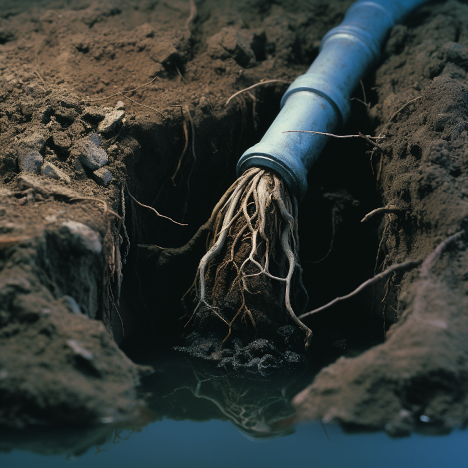
1. Tree Roots
Trees are a beautiful addition to any property, but their roots can wreak havoc on your sewage lines. As they grow, they seek out sources of water, and unfortunately, your sewer line is a prime target. Once they infiltrate the pipes, they can cause blockages and lead to backups.
Prevention Tip: Regularly inspect and clear out your sewer lines, especially if you have large trees near your property. Consider root barriers to keep them at bay and sewer jetting to clear your lines of root intrusions.
2. Grease and Fat Buildup
Pouring grease down the drain might seem harmless, but over time, it solidifies and can create significant blockages in your pipes.
Prevention Tip: Always dispose of grease and fats in the trash, not the sink. Use strainers to catch food particles and other debris. Consider sewer jetting to clear your lines of grease buildup.
3. Flushing Non-Flushable Items
Toilets aren’t trash cans. Flushing items like diapers, wipes (even the so-called “flushable” ones), feminine hygiene products, and paper towels can lead to clogs and backups.
Prevention Tip: Only flush toilet paper and human waste. Keep a trash bin nearby for everything else.
4. Collapsed or Damaged Sewer Lines
Older homes, especially those in historic areas like parts of Brooklyn, might have sewer lines made of clay or cast iron, which can break or collapse over time.
Prevention Tip: If you live in an older home, consider having your sewer lines inspected and replaced if necessary.
5. Heavy Rainfall and Storms
Excessive rain can overwhelm city sewers, causing street runoff to back up into individual household drains.
Prevention Tip: Ensure your home has a functioning sump pump and consider installing sewer check valves / backwater valves to prevent city sewage from entering your home during heavy rains.
6. City Sewer Blockages
Sometimes the problem isn’t in your home but in the city’s sewer lines. If the city’s main gets blocked, it can cause sewage to back up into individual homes.
Prevention Tip: Regularly communicate with your local municipality about the health of the city’s sewer system. If you notice issues, report them immediately.
Conclusion
Sewage backups are more than just a messy inconvenience; they can be a sign of more significant plumbing issues. By understanding the common causes and taking proactive steps, you can keep your home’s plumbing system flowing smoothly and avoid the unpleasant surprise of a backup. Remember, when in doubt, it’s always a good idea to consult with a local plumbing expert to ensure your home’s system is in tip-top shape.