Floor Drain Backups
Key Points
- Floor drain backups are often caused by clogs, sewer line blockages, or a faulty backwater valve
- Heavy rainfall and snowmelt can overwhelm Brooklyn’s municipal sewer system, pushing water back into homes
- A malfunctioning or missing backwater valve leaves your home vulnerable to sewer backups
- Professional drain cleaning and backwater valve installation are the most reliable long-term solutions
- Ignoring a floor drain backup can lead to water damage, mold growth, and costly repairs
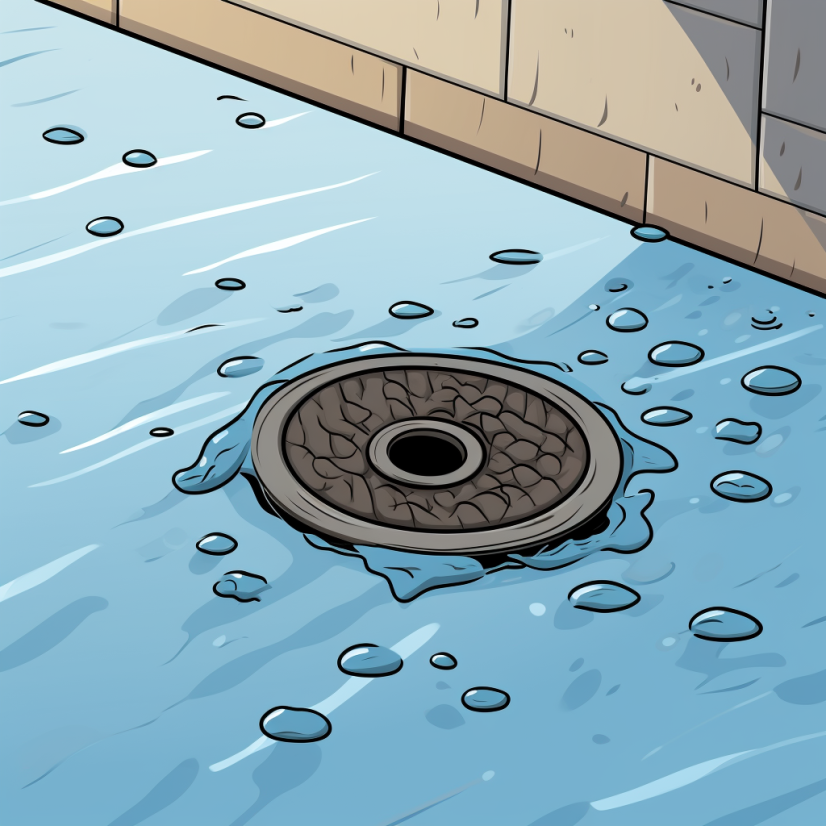
What’s Causing Water to Pool Around Your Floor Drain?
A backed-up floor drain is one of those problems that seems minor until it isn’t. In our service calls throughout Brooklyn, we see this issue in basements across Park Slope, Flatbush, and Bay Ridge, and the cause is rarely just a surface-level clog. Understanding what’s driving the backup is the first step toward fixing it for good.
Floor drains connect directly to your home’s main drain line, which ties into Brooklyn’s municipal sewer system. That connection is what makes them so useful for managing water, and also what makes them vulnerable when something goes wrong further down the line.
Common Causes of Floor Drain Backups
Working in homes across Brooklyn, we regularly trace floor drain backups to a handful of recurring issues:
- Clogged drain: Dirt, debris, and sediment accumulate inside the drain over time, gradually restricting water flow until a backup occurs
- Blocked sewer line: Tree roots, grease buildup, or a collapsed pipe in the main sewer line can force water back up through the lowest drain in your home
- Overwhelmed city sewer: During heavy rainfall or rapid snowmelt, Brooklyn’s aging sewer infrastructure can become overwhelmed, pushing water back into residential properties
- Faulty or missing backwater valve: Without a properly functioning backwater valve, there’s nothing stopping municipal sewer water from flowing in reverse into your basement
Why Brooklyn Homes Are Especially Vulnerable
Brooklyn’s older housing stock, combined with its dense urban sewer grid, creates specific challenges that homeowners in newer suburbs simply don’t face. Many properties in neighborhoods like Brownsville, Canarsie, and Sunset Park sit on aging drain lines that were never designed to handle today’s water volume.
Based on what we see in Brooklyn properties, flat lots with minimal grading and basements that sit close to the sewer main are the most likely to experience recurring backups. If your home has flooded during a heavy storm even once, it’s worth having your drain system evaluated by a professional plumber in Brooklyn before the next rain season hits.
What Happens During a Professional Drain Inspection
When a floor drain backs up, the instinct is to grab a plunger. But if the problem originates deeper in the line, surface-level remedies won’t hold. A licensed plumber will use a camera inspection to identify exactly where the blockage or damage is located, whether it’s a grease buildup, root intrusion, or a structurally compromised section of pipe.
According to the Insurance Information Institute, sewer backups are one of the most common and costly sources of water damage for homeowners, yet they’re frequently excluded from standard policies. That’s a strong incentive to address the problem proactively rather than after the damage is done. Professional drain cleaning in Brooklyn clears blockages completely and helps prevent recurrence.
The Role of a Backwater Valve
A backwater valve is one of the most practical investments a Brooklyn homeowner can make. It sits on your main drain line and automatically closes when water tries to flow in reverse, blocking sewer backups before they reach your basement floor.
If your home doesn’t have one installed, or if the existing valve hasn’t been serviced in years, you’re leaving a significant gap in your home’s protection. Professional backwater valve installation in Brooklyn is a straightforward job when handled by an experienced plumber, and it can make the difference between a dry basement and a costly flood cleanup.
How to Prevent Future Floor Drain Backups
Preventing backups is largely about staying ahead of buildup and making sure your drain system is structurally sound. A few habits that help:
- Avoid pouring grease, food scraps, or heavy solids down any drain connected to the main line
- Schedule periodic drain cleaning, especially after heavy storm seasons
- Have a plumber inspect your sewer line every few years if your home is older or has mature trees nearby
If your floor drain backs up frequently, that pattern is a sign of a deeper systemic issue, not just routine buildup. The EPA’s WaterSense program notes that small plumbing inefficiencies and blockages compound over time, leading to higher water use and greater strain on your home’s drain infrastructure.
For persistent or severe backups, hydro jetting in Brooklyn is one of the most effective solutions available. It uses high-pressure water to scour the inside of drain pipes, removing grease, scale, and debris that standard snaking leaves behind.
Keeping Your Basement Dry Year-Round
A floor drain backup is rarely a one-time event. Once your drain system has shown signs of stress, it will continue to be vulnerable without proper intervention. The good news is that most causes, from pipe buildup to valve failure, are fixable when caught early.
If you’ve noticed water pooling, slow drainage, or foul odors coming from your basement floor drain, don’t wait for the next heavy rain to find out how serious the problem is. Contact our team today to schedule a professional inspection and get your drain system back in reliable working order.
Frequently Asked Questions
Why does my floor drain back up only when it rains?
Heavy rain overwhelms the municipal sewer system, and water gets pushed back through the path of least resistance, which is often your basement floor drain. A backwater valve is the most effective fix.
Is a floor drain backup a plumbing emergency?
It can be. If sewage is involved or water is spreading across your basement floor, treat it as an emergency and call a plumber right away to avoid structural damage and health hazards.
Can I use drain cleaner to fix a floor drain backup?
Chemical drain cleaners may loosen minor surface clogs but won’t address root intrusion, pipe damage, or sewer line blockages. A professional inspection is the only way to confirm the actual cause.
How much does it cost to fix a floor drain backup in Brooklyn?
Costs vary depending on the cause. A simple cleaning is far less expensive than sewer line repair or backwater valve installation. Getting a professional diagnosis upfront saves money in the long run.
How often should I have my floor drain cleaned?
For most Brooklyn homes, an annual inspection and cleaning is a reasonable baseline. Homes with older plumbing or recurring issues may benefit from more frequent service.