In the demanding world of New York City’s restaurant and bar industry, plumbing isn’t just a behind-the-scenes utility—it’s a critical component of your business’s daily operations. A well-functioning plumbing system supports everything from kitchen operations to restroom facilities, ensuring your establishment runs smoothly. However, when plumbing issues arise, they can halt business operations, leading to potential revenue loss and unsatisfied customers.
We designed this guide with a straightforward purpose: to equip NYC restaurant and bar owners with essential knowledge about their plumbing systems. We aim to demystify the complexities of plumbing, offering practical insights and actionable advice. We hope you find this guide helpful and bookmark it as a plumbing reference guide as you continue to grow your business and delight your customers.


Table of Contents
- Why Plumbing Matters for NYC Restaurants and Bars
- 10 Key Plumbing Requirements for NYC Bars and Restaurants
- Plumbing Costs for NYC Restaurants and Bars
- Common Plumbing Issues Faced by NYC Bars and Restaurants
- 5 Preventative Measures Restaurants and Bars Can Take to Avoid Costly Plumbing Issues
About Us: Who is CID Plumbing
CID Plumbing, based in Brooklyn and serving all NYC boroughs, understands the unique challenges faced by restaurant and bar owners in the city. With a perfect five-star Google rating backed by over 200 reviews, our reputation speaks to our commitment to excellence, efficiency, and customer satisfaction. We’re not just plumbers; we’re partners to the city’s vibrant culinary scene, ensuring that businesses have the support they need to address and prevent plumbing challenges. If you need a plumber today, or would like to build a relationship with us, give us a call or fill out the customer intake form below: 570-656-6261 Customer Intake
Why Plumbing Matters for NYC Restaurants and Bars
Plumbing, while often overlooked, plays a pivotal role in the seamless operation of restaurants and bars. It’s more than just pipes and water flow; it’s a system that impacts the very core of a food and beverage establishment. Let’s delve into why plumbing is so crucial for these businesses:- Health and Sanitation: At the forefront, plumbing directly affects the health and sanitation standards of a restaurant or bar. Clean water is essential for cooking, cleaning, and serving drinks. Proper drainage ensures that waste water and contaminants are efficiently removed, preventing potential health hazards. A compromised plumbing system can lead to health code violations, which can result in hefty fines or even temporary closure.
- Operational Efficiency: Imagine preparing for a dinner rush, only to find out that the kitchen sink is clogged or there’s no hot water. Such issues can disrupt operations, delay service, and lead to customer dissatisfaction. A well-maintained plumbing system ensures that everything from dishwashers to ice machines operates without a hitch.
- Customer Experience: Restrooms are a reflection of an establishment’s overall cleanliness and attention to detail. Leaky faucets, poor water pressure, or toilets that don’t flush properly can leave a negative impression on customers. Ensuring that restrooms are in top condition is essential for maintaining a restaurant or bar’s reputation.
- Cost Savings: Proactive plumbing maintenance can lead to significant cost savings in the long run. Addressing minor issues before they escalate can prevent expensive repairs or replacements. For instance, a small leak, if unchecked, can lead to water damage, mold growth, and structural issues, all of which can be costly to address.
- Environmental Responsibility: With growing emphasis on sustainability, restaurants and bars have an opportunity to showcase their commitment to the environment. Efficient plumbing systems reduce water wastage, helping establishments conserve water and reduce their ecological footprint.
10 Key Plumbing Requirements for NYC Bars and Restaurants
Navigating the intricate web of New York City’s regulations can be daunting for any business owner, especially when it comes to plumbing. For bars and restaurants, these rules are not just about compliance; they directly impact the safety and satisfaction of your patrons. To ensure you are fully compliant with local regulations, we recommend that you give us a call to walk through your systems; however, you should definitely be aware of the major requirements below:- Backflow Prevention: NYC requires the installation of backflow prevention devices in places where there’s potential for contaminants to enter the public water supply. Restaurants and bars, due to their use of chemicals and potential contaminants, must have these devices installed and regularly tested.
- Grease Traps: To prevent fats, oils, and grease from entering the city’s sewer system, restaurants and bars are required to install and maintain grease traps or interceptors. These devices must be cleaned regularly to remain effective.
- Restroom Facilities: Establishments that serve food and drinks are required to provide restroom facilities for their patrons. The number of fixtures (toilets, sinks) is often determined by the seating capacity.
- Potable Water Supply: All water used in food preparation, drinking, and cleaning must be potable. This means it must come from a safe and approved source and be free from contaminants.
- Hot Water Supply: Restaurants and bars must have a consistent supply of hot water for sanitizing dishes, utensils, and for handwashing. The water temperature requirements can vary, but it’s typically required to be at least 110°F for handwashing.
- Gas Piping: If a restaurant or bar uses natural gas for cooking, the installation, maintenance, and repair of gas lines must adhere to strict regulations. Periodic inspections are often required to ensure safety.
- Ventilation: Proper ventilation is required, especially for establishments with cooking facilities. This ensures that smoke, steam, and cooking odors are effectively removed, and fresh air is circulated.
- Drainage Systems: Proper drainage is essential to prevent flooding and potential health hazards. All drains, from floor drains to sinks, must be equipped with traps and vents to ensure smooth flow and prevent sewer gases from entering the establishment.
- Water Conservation: With an emphasis on sustainability, there are regulations in place that require the installation of water-conserving fixtures, such as low-flow toilets and faucets.
- Emergency Shut-off Valves: For safety reasons, emergency shut-off valves must be installed and easily accessible. In case of a gas or water emergency, staff should be able to quickly shut off the supply.
Plumbing Costs for NYC Restaurants and Bars
While it might not be the first thing on a restaurant or bar owner’s mind, the costs associated with plumbing can significantly impact the bottom line. Here’s a breakdown of what NYC restaurant and bar owners can expect in terms of plumbing expenses: Percentage of Revenue Allocated to Plumbing: Restaurants and bars in NYC typically allocate about 1-3% of their annual revenue to plumbing-related expenses. This encompasses routine maintenance, emergency repairs, and system upgrades. Typical Preventative Plumbing Costs:- Routine Maintenance: Regular check-ups ensure that the plumbing system functions efficiently, preventing minor issues from escalating into major problems.
- Sewer Jetting: An essential service for restaurants, sewer jetting involves using high-pressure water to clear out blockages and build-up in sewer lines, ensuring smooth wastewater flow.
- Grease Trap Cleaning: Given the volume of oils and fats that go down the drains in restaurants, regular grease trap cleaning is crucial to prevent blockages and maintain compliance with local regulations.
- Drain Cleaning: Regular drain cleaning prevents blockages, ensuring that wastewater flows out without hindrance.
- Burst Pipes: A sudden rupture can lead to significant water damage and disrupt operations.
- Major Blockages: Sometimes, despite regular maintenance, blockages can occur, requiring immediate attention.
- Backflows: This plumbing emergency can contaminate the water supply and is a health hazard.
- Bathroom Upgrades: Modernizing restrooms not only enhances the customer experience but can also lead to water savings with efficient fixtures.
- Kitchen Plumbing Overhaul: As culinary trends evolve, kitchens might need plumbing adjustments to accommodate new equipment or layouts.
- Rational for Renovations: Upgrading plumbing systems can lead to operational efficiencies, cost savings in the long run, and an enhanced customer experience. Moreover, staying compliant with the latest health and safety regulations often necessitates periodic plumbing upgrades.
Common Plumbing Issues Faced by NYC Bars and Restaurants
New York City’s restaurants and bars face a unique set of plumbing challenges. The high volume of customers, combined with the specific needs of food and beverage establishments, can lead to a range of plumbing issues. Here’s a look at some of the most common problems and practical solutions:
1. Grease Trap Clogs
What are Grease Trap Clogs?
A grease trap, as the name suggests, is a plumbing device designed to trap grease, oils, and fats before they enter the wastewater disposal system. Over time, as grease accumulates, it can lead to blockages within the trap and the connecting pipes, resulting in what we term as a ‘grease trap clog’.Why Do Grease Trap Clogs Happen?
- Excessive Grease Disposal: The primary reason for clogs is the consistent pouring of oils and fats down the sink. While the grease trap is designed to capture these, an overload can exceed its capacity.
- Infrequent Cleaning: Grease traps need regular cleaning to function effectively. Without routine maintenance, the accumulated grease hardens and causes blockages.
- Improper Installation: If a grease trap is not correctly installed or is too small for the establishment’s needs, it can lead to frequent clogging.
How Can Grease Trap Clogs Be Avoided?
- Educate the Staff: Ensure that kitchen staff are well-informed about the importance of not pouring fats, oils, and grease down the sink. Instead, they should be collected in containers and disposed of appropriately.
- Regular Maintenance: Schedule routine grease trap cleaning. Depending on the volume of your establishment’s grease output, this could be monthly, quarterly, or semi-annually.
- Use Strainers: Install strainers in sinks to catch food particles and other solids, preventing them from entering the grease trap.
- Monitor Grease Output: If your establishment has increased its grease output (perhaps due to a change in the menu or increased business), consider upgrading to a larger grease trap.
What to Do When a Grease Trap Clog Occurs?
- Immediate Action: If you suspect a clog, stop pouring any wastewater into the affected sink or drain to prevent backups and overflows.
- Professional Assistance: While minor clogs might be cleared with simple tools, it’s always best to call in professionals, like CID Plumbing, to ensure the issue is thoroughly addressed.
- Regular Inspections: After addressing a clog, schedule regular inspections to prevent future occurrences. This will help identify potential issues before they become significant problems.
- Consider Upgrades: If clogs are a recurring issue, it might be time to consider upgrading your grease trap system or re-evaluating your kitchen practices.
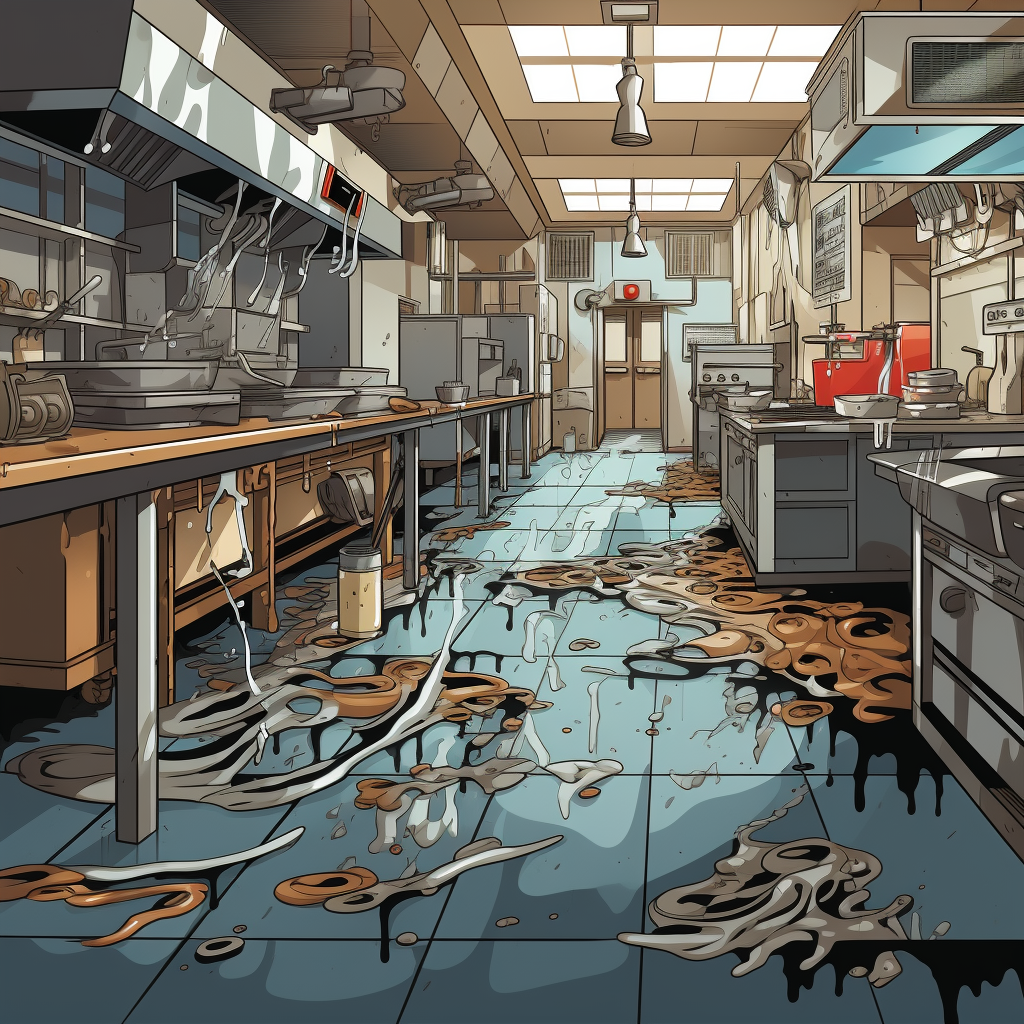
2. Drain Blockage
What are Drainage Blockages?
Drainage blockages refer to obstructions within the plumbing system that prevent wastewater from flowing freely. These blockages can occur in various parts of the drainage system, from the immediate sink drain to deeper sections of the plumbing network.Why Do Drainage Blockages Happen?
- Food Residue and Solids: One of the primary culprits behind blockages in restaurants is the accumulation of food particles and other solids that inadvertently enter the drainage system.
- Grease and Oil Buildup: Even with a grease trap in place, some fats can find their way into the drains, solidifying over time and causing blockages.
- Foreign Objects: Items like straws, napkins, or even utensils can sometimes end up in drains, leading to immediate obstructions.
- Pipe Scale and Mineral Deposits: Over time, minerals present in water can deposit on pipe walls, reducing the internal diameter and leading to blockages.
How Can Drainage Blockages Be Avoided?
- Staff Training: Ensure that the staff is trained to scrape plates thoroughly before washing, minimizing the amount of food residue entering the drains.
- Use of Sink Strainers: Employ strainers in all sinks to catch larger particles and objects, preventing them from causing blockages.
- Regular Drain Cleaning: Implement a routine where drains are cleaned with natural solutions, like a mix of baking soda and vinegar, to prevent buildup.
- Scheduled Professional Maintenance: Engage with professionals, like CID Plumbing, for periodic deep cleaning or hydrojetting of the drainage system, ensuring any developing blockages are addressed promptly.
What to Do When a Drainage Blockage Occurs?
- Isolate the Problem: If a particular sink or drain is blocked, cease its use immediately to prevent further complications.
- Initial Assessment: Use a plunger to try and dislodge minor blockages. However, refrain from using chemical drain cleaners as they can damage pipes and are harmful to the environment.
- Call in the Experts: For persistent or severe blockages, it’s essential to get professional help. CID Plumbing, with its specialized equipment and trained personnel, can effectively address and resolve the issue.
- Post-Clearance Measures: Once the blockage is cleared, consider implementing more stringent preventive measures and regular inspections to avoid future occurrences.
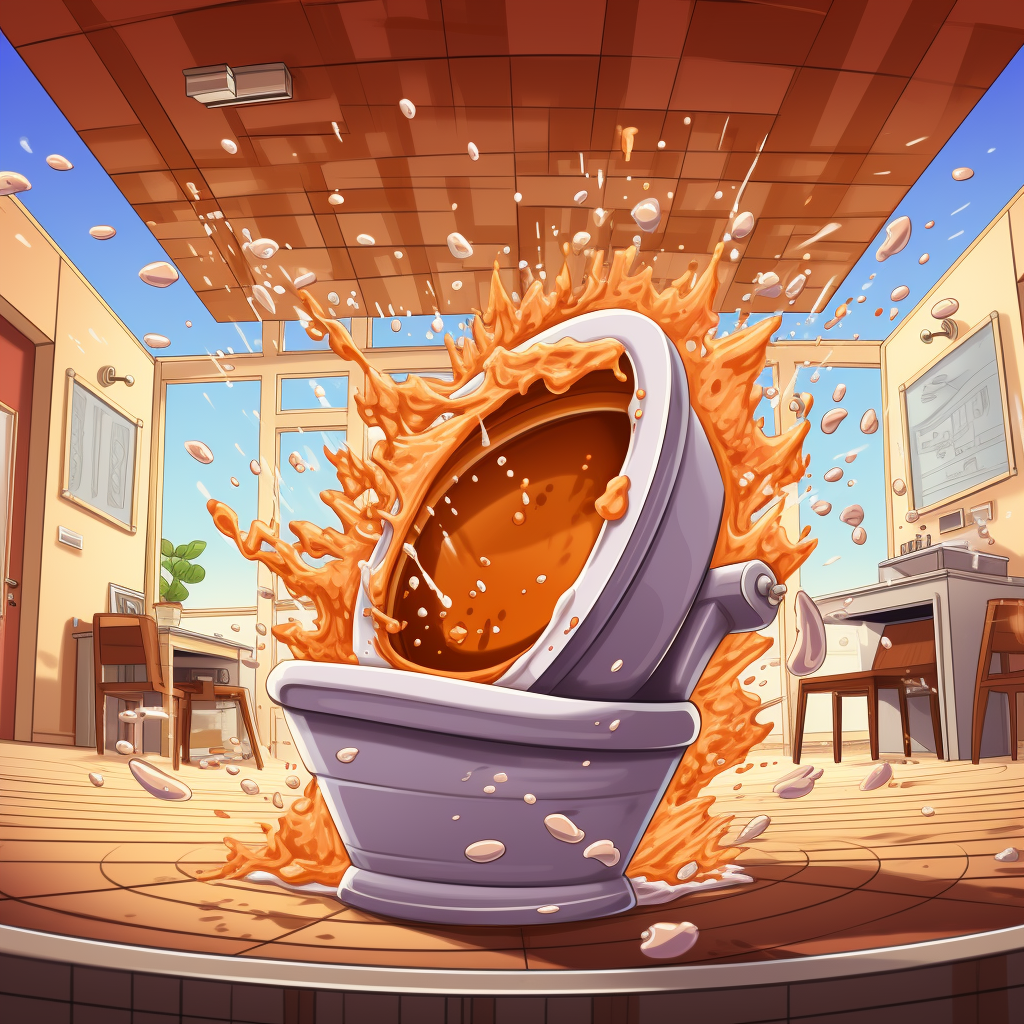
3. Toilet Overflows
What is a Toilet Overflow?
A toilet overflow happens when water from the toilet spills over its bowl, usually due to a clog or malfunction in the flushing mechanism. This can lead to unsanitary conditions, water damage, and potential slip hazards.Why Do Toilet Overflows Happen?
- Clogs: The most common reason for overflows. Excessive toilet paper, non-flushable items, or accumulated waste can lead to blockages.
- Faulty Flapper Valve: This valve controls the amount of water released from the tank to the bowl. If it doesn’t seal properly after a flush, the tank can continuously fill, leading to overflows.
- Broken Fill Valve: If this valve malfunctions, it can cause the tank to overfill, resulting in an overflow.
- Blocked Vent Pipe: The vent pipe helps in maintaining proper pressure in the plumbing system. If blocked, it can affect the flushing mechanism, leading to potential overflows.
How Can Toilet Overflows Be Prevented?
- Educate Patrons and Staff: Place signs in restrooms urging patrons not to flush non-biodegradable items. Ensure staff is aware of what can and cannot be flushed.
- Regular Inspections: Periodically check the toilet’s components, ensuring the flapper and fill valves are functioning correctly.
- Clear Vent Pipes: Ensure that the vent pipes on the roof are free from obstructions like leaves or bird nests.
- Professional Maintenance: Partner with reliable plumbing services, like CID Plumbing, for regular inspections and maintenance to preemptively address potential issues.
What to Do When a Toilet Overflow Occurs?
- Immediate Action: Turn off the water supply valve (usually located at the base of the toilet) to stop the flow of water.
- Clean Up: Prioritize safety. Clean up the overflow immediately to prevent slip hazards and potential water damage.
- Assess the Cause: If it’s a visible clog, use a plunger to try and clear it. For more complex issues, it’s best to call in professionals.
- Engage Expert Help: For persistent or severe overflows, or if the cause isn’t immediately evident, contact a professional plumbing service. CID Plumbing, with its expertise and prompt service, can efficiently address and resolve the issue.

4. Leaky Faucets and Fixtures
What is a Leaky Faucet or Fixture?
A leaky faucet or fixture refers to any plumbing apparatus that doesn’t completely halt the flow of water when turned off. This could manifest as a persistent drip from a tap, a showerhead that doesn’t fully stop, or a pipe joint that seeps water.Why Do Faucets and Fixtures Leak?
- Worn Out Washers: Over time, the washers inside the faucet can wear out, leading to drips.
- Corroded Valve Seat: The valve seat can corrode due to prolonged water contact, causing leakage around the spout.
- Improper Installation: If fixtures aren’t installed correctly, they can start to leak soon after installation.
- O-Ring Issues: The O-ring can become loose or wear out over time, leading to a dripping handle.
- Worn Out Seals: In disc faucets, the inlet and outlet seals can become worn out or accumulate sediments, causing leaks.
The Implications of Leaky Faucets and Fixtures:
- Increased Water Bills: A dripping faucet can waste gallons of water over a month, leading to higher utility bills.
- Potential Damage: Persistent leaks can lead to water damage, staining, and even mold growth if not addressed.
- Wasted Resources: In a city like NYC, where water conservation is crucial, every drop counts. Leaky fixtures contribute to unnecessary wastage.
How to Address Leaky Faucets and Fixtures:
- Regular Inspections: Periodically check all faucets and fixtures for signs of leakage. Early detection can prevent more significant issues down the line.
- Replace Worn Components: If you identify a worn washer or O-ring, replace it promptly. These are inexpensive components that can prevent more costly repairs later.
- Professional Assessment: If you’re unsure about the cause of the leak or how to fix it, it’s always best to consult with professionals. CID Plumbing, with its commitment to excellence, can provide a thorough assessment and efficient solutions.
- Upgrade When Necessary: Sometimes, it’s more cost-effective in the long run to replace an old, frequently leaking fixture with a new, more efficient model.
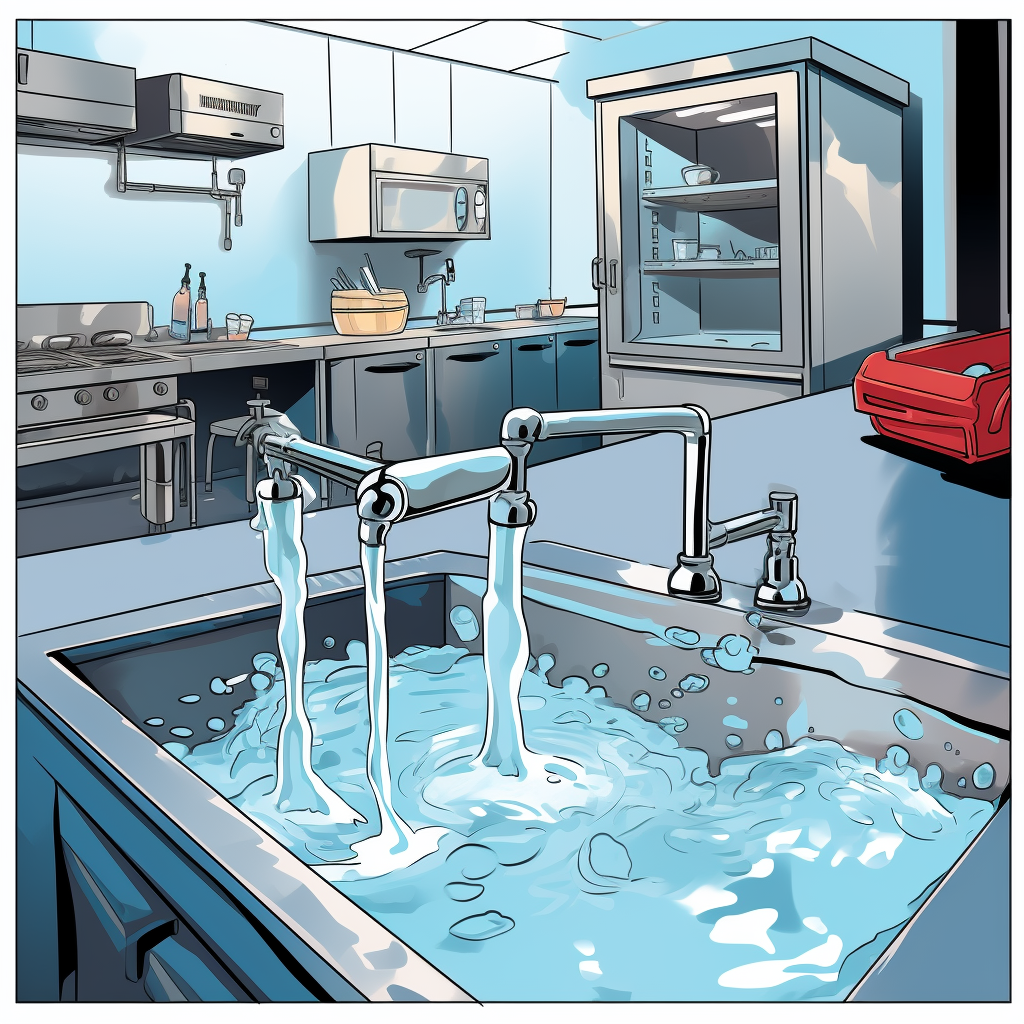
5. Hot Water Issues
Understanding Hot Water Issues:
Hot water issues can range from a complete lack of hot water to inconsistent temperatures or even scalding water. These problems can stem from various sources, and understanding them is the first step to resolution.Common Causes of Hot Water Issues:
- Faulty Water Heaters: The most common culprit behind hot water issues is a malfunctioning water heater. Elements can burn out, thermostats can malfunction, or sediment can build up, affecting the heater’s efficiency.
- Blocked Pipes: Sediment or mineral buildup in pipes can restrict the flow of hot water, leading to inconsistent temperatures.
- Leaking Hot Water Tanks: Over time, water tanks can develop leaks, leading to a reduced supply of hot water.
- Faulty Mixing Valves: These valves control the mix of hot and cold water. If they malfunction, they can cause temperature inconsistencies.
- High Demand: In some cases, especially during peak hours, the demand for hot water might exceed the supply, leading to temporary shortages.
Addressing Hot Water Issues:
- Regular Maintenance: Scheduling regular checks and maintenance of water heaters can prevent many common issues. This includes flushing the tank to remove sediment and checking for signs of wear or damage.
- Upgrade Equipment: If your establishment frequently faces hot water shortages during peak times, consider upgrading to a larger or more efficient water heater.
- Professional Diagnosis: If you’re facing inconsistent water temperatures or other hot water issues, it’s essential to get a professional diagnosis. CID Plumbing, with its expertise and commitment to customer satisfaction, can quickly identify and address the root cause.
- Educate Staff: Ensure that your staff is aware of the importance of reporting any hot water inconsistencies immediately. Early detection can prevent more significant issues and potential damage.
- Install Water Softeners: In areas with hard water, installing a water softener can prevent mineral buildup in pipes and heaters, ensuring a consistent hot water supply.
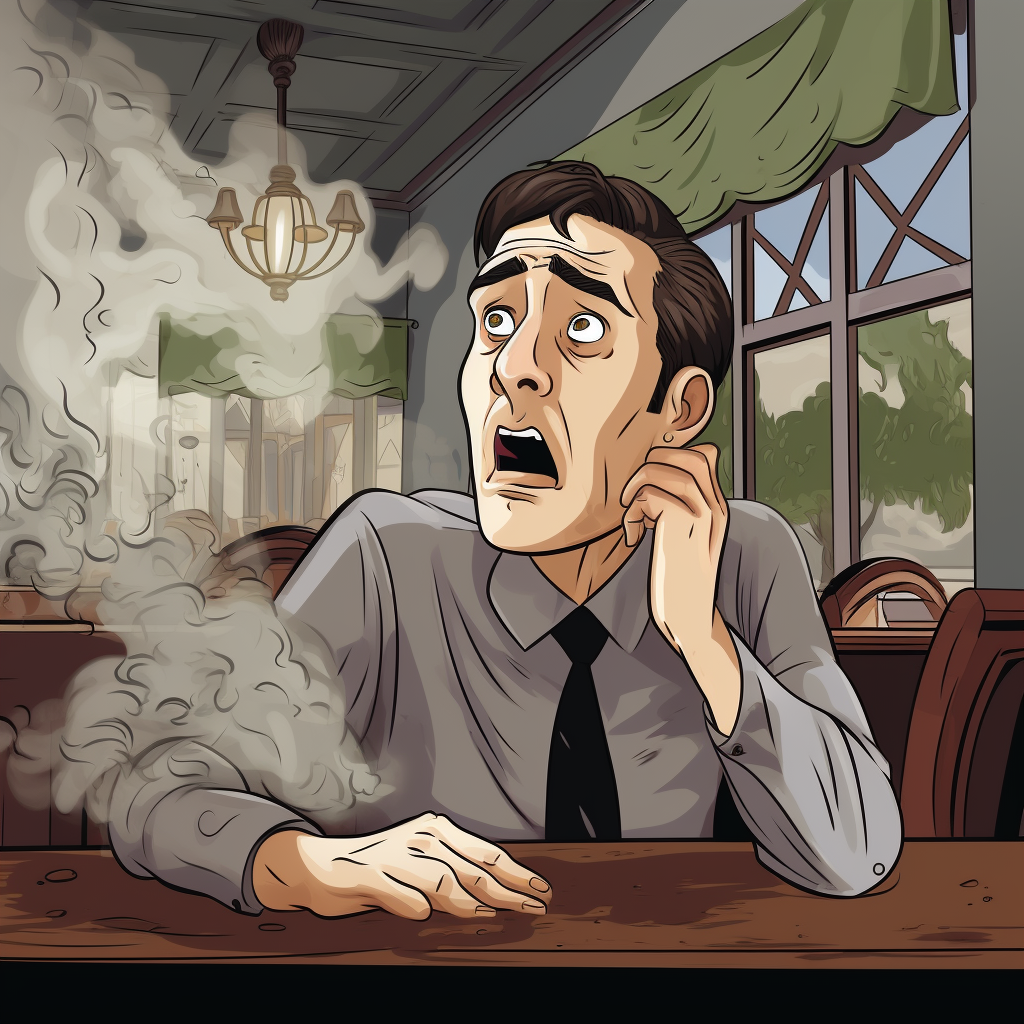
6. Sewer Odors
Understanding Sewer Odors:
Sewer odors are typically characterized by a rotten egg smell, which is the result of hydrogen sulfide gas. This gas is produced when organic waste breaks down without oxygen. When this gas finds its way into a restaurant or bar, it’s not just unpleasant—it can also be harmful.Common Causes of Sewer Odors:
- Dry P-Traps: Every drain has a P-trap, a U-shaped pipe that holds water to create a barrier between the sewer system and the indoor environment. If a drain isn’t used for a while, the water in the P-trap can evaporate, allowing sewer gases to enter the establishment.
- Blocked Vents: Plumbing systems have vents to allow sewer gases to escape outside. If these vents are blocked, the gases can seep into the building.
- Cracked or Broken Sewer Lines: Over time, sewer lines can crack or break, allowing sewer gases to escape.
- Malfunctioning Grease Traps: In restaurants, grease traps prevent fats and oils from entering the sewer system. If not cleaned regularly, they can produce foul odors.
Implications of Sewer Odors:
- Health Concerns: Prolonged exposure to sewer gases, especially hydrogen sulfide, can lead to headaches, nausea, and other health issues.
- Business Impact: An unpleasant odor can deter patrons, leading to negative reviews and a decline in business.
- Structural Damage: Persistent sewer odors can indicate bigger plumbing issues, which, if left unaddressed, can lead to structural damage.
Addressing Sewer Odors:
- Regular Maintenance: Ensure that all drains are used regularly to prevent P-traps from drying out. This can be as simple as pouring water down infrequently used drains.
- Inspect and Clean Vents: Regularly check the plumbing vents for blockages, such as bird nests or debris, and clean them as necessary.
- Professional Inspection: If the odor persists, it’s essential to get a professional inspection. CID Plumbing, with its deep understanding of NYC’s unique plumbing challenges, can identify the root cause and provide effective solutions.
- Regular Grease Trap Cleaning: For restaurants, regular cleaning and maintenance of grease traps are essential to prevent odors and ensure compliance with local regulations.
- Seal Cracks and Gaps: Ensure that any gaps or cracks in walls, floors, or around plumbing fixtures are sealed to prevent sewer gases from entering.
7. Pipe Leaks
Understanding Pipe Leaks:
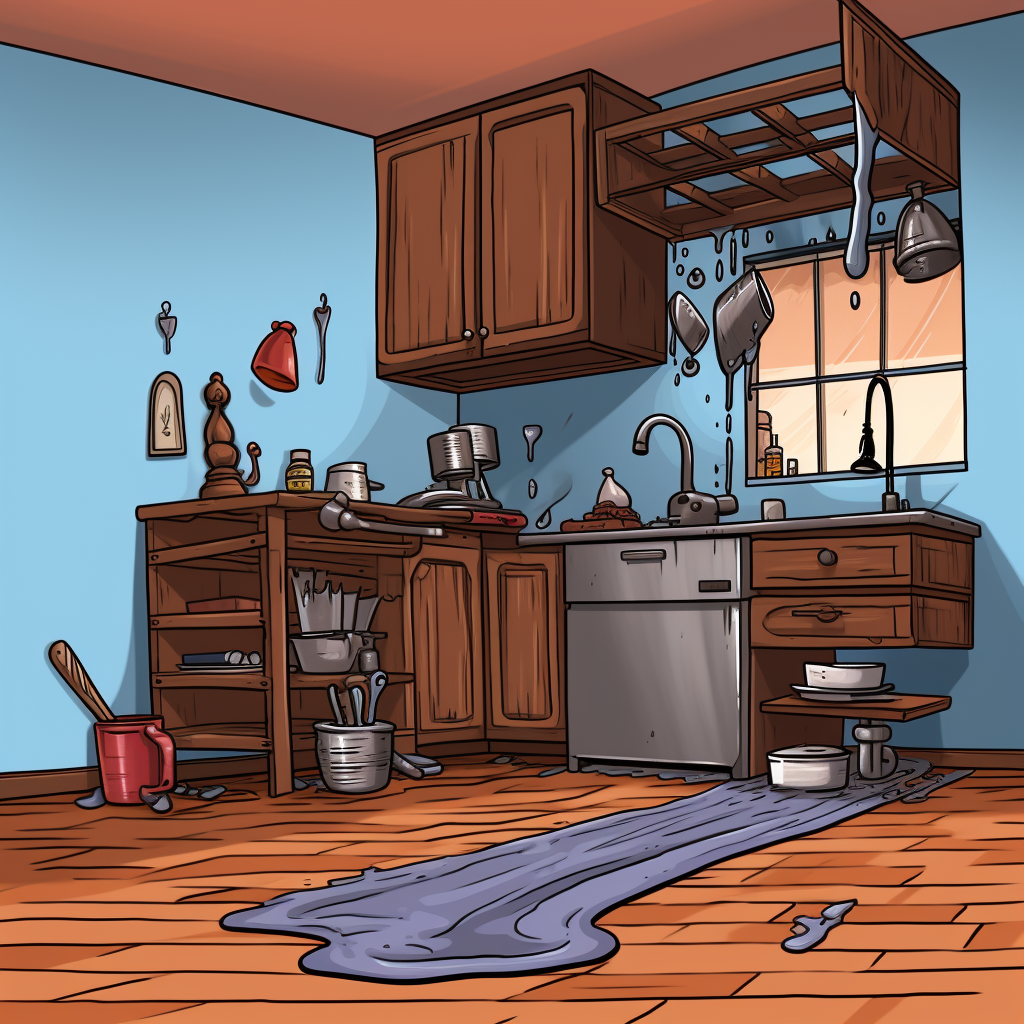
A pipe leak refers to the unintended release of water or other fluids from a plumbing system. While some leaks are evident, like a dripping faucet, others, especially those in concealed pipes, can go unnoticed until they cause noticeable damage.Common Causes of Pipe Leaks:
- Corrosion: Over time, pipes, especially those made of metal, can corrode due to factors like water quality, temperature fluctuations, and the age of the pipe.
- High Water Pressure: Excessive water pressure can strain the plumbing system, leading to leaks.
- Temperature Changes: The expansion and contraction of pipes due to temperature changes, especially in winter, can cause them to crack.
- Clogged Lines: Blocked pipes can increase pressure within the plumbing system, leading to leaks.
- Wear and Tear: Like all materials, pipes have a lifespan. Over time, they can weaken and become more susceptible to leaks.
Implications of Pipe Leaks:
- Water Damage: Unaddressed leaks can lead to water damage, affecting walls, floors, and even the structural integrity of the establishment.
- Increased Water Bills: Even minor leaks can lead to significant water wastage over time, reflecting in higher utility bills.
- Health Concerns: Damp environments resulting from leaks can promote mold growth, which can lead to respiratory issues and other health concerns for staff and patrons.
- Operational Disruptions: Significant leaks can disrupt the regular functioning of a restaurant or bar, leading to temporary closures or reduced operational capacity.
Addressing Pipe Leaks:
- Regular Inspections: Periodic professional inspections can help identify potential weak points in the plumbing system and address them before they become significant issues.
- Monitor Water Pressure: Ensure that the water pressure is within the recommended range to prevent undue strain on the pipes.
- Insulate Pipes: In colder months, insulating pipes can prevent them from freezing and cracking.
- Immediate Repairs: At the first sign of a leak, it’s crucial to address it promptly. CID Plumbing, with its commitment to excellence and prompt service, ensures that leaks are fixed efficiently, minimizing disruptions.
- Upgrade Aging Systems: For older establishments, it might be worth considering upgrading the plumbing system to modern, more durable materials.
8. Low Water Pressure
Understanding Low Water Pressure:
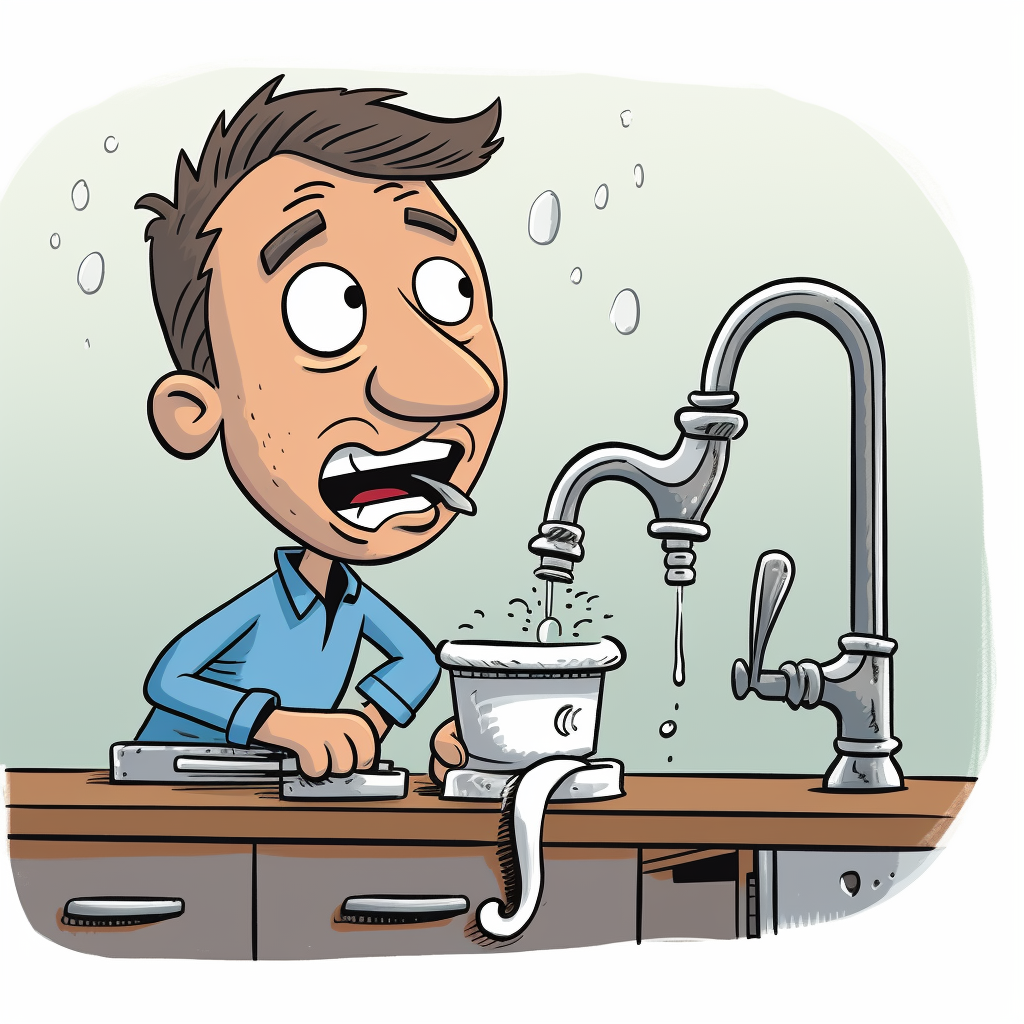
Low water pressure means that the force pushing water through pipes and out of fixtures, like faucets or showerheads, is weaker than expected. In restaurants and bars, this can manifest as slow-filling sinks, weak toilet flushes, or underwhelming sprays from dishwashers.Common Causes of Low Water Pressure:
- Blocked Pipes: Mineral deposits, sediment build-up, or foreign objects can restrict water flow, leading to reduced pressure.
- Corroded Plumbing: Over time, old metal pipes can corrode internally, narrowing the pathway for water and reducing its pressure.
- Faulty Valves: If the main shut-off valve or the water meter valve isn’t fully open, it can reduce the water flow.
- Leaking Pipes: A significant leak in the system can divert water, causing a drop in pressure.
- Demand Overload: In densely populated areas like NYC, high water demand during peak times can lead to a temporary drop in pressure.
Implications of Low Water Pressure:
- Operational Delays: Tasks like filling sinks, washing dishes, or preparing certain beverages can take longer, affecting service speed.
- Customer Dissatisfaction: In restrooms, low water pressure can lead to negative customer experiences.
- Increased Energy Costs: Appliances like dishwashers or water heaters may run longer to compensate for the low pressure, consuming more energy.
- Potential for Bigger Issues: Persistent low water pressure can indicate more severe plumbing problems, like hidden leaks.
Addressing Low Water Pressure:
- Regular Pipe Maintenance: Periodic cleaning and descaling can prevent blockages and sediment build-up.
- Check Valves: Ensure all valves, especially the main shut-off and water meter valves, are fully open.
- Pressure Regulators: If the establishment is equipped with a pressure regulator, ensure it’s functioning correctly.
- Upgrade Plumbing: For older systems, consider replacing corroded pipes with modern materials that resist internal build-up.
- Professional Assessment: Engage a trusted plumbing partner like CID Plumbing to assess and address the root causes of low water pressure.

9. Backflow Issues
Understanding Backflow:
Backflow occurs when water flows in the opposite direction from its intended path in a plumbing system. Instead of flowing from the supply line to the faucet, water reverses due to pressure changes, potentially bringing contaminants into the potable water supply.Common Causes of Backflow:
- Back Pressure: This happens when the downstream pressure is higher than the supply pressure, often due to pumps or temperature increases in boilers.
- Back Siphonage: A sudden drop in water supply pressure, possibly from a nearby fire hydrant being used or a water main break, can create a siphoning effect, pulling water backward.
Implications of Backflow:
- Contaminated Water Supply: Backflow can introduce harmful substances like pesticides, chemicals, or waste into the drinking water.
- Health Risks: Consuming or using contaminated water poses significant health risks to customers and staff.
- Operational Disruptions: A backflow incident may require an establishment to halt operations until the issue is resolved and water quality is confirmed safe.
- Regulatory Penalties: NYC has strict regulations around water quality. Establishments found with backflow issues might face fines or other penalties.
The Role of Check Valves:
Check valves play a pivotal role in preventing backflow. These one-way valves allow water to flow in only one direction. If a backflow condition arises, the check valve closes, preventing the reverse flow of water.- Types of Check Valves: There are various types, including swing check, lift check, and inline check valves. The choice depends on the specific plumbing setup and the potential backflow risks.
- Maintenance is Key: Like all plumbing components, check valves require regular maintenance to ensure they function correctly. A faulty check valve can compromise the entire backflow prevention system.
- CID’s Expertise: At CID Plumbing, we understand the intricacies of backflow prevention. Our team can assess, install, and maintain check valves, ensuring your establishment remains compliant and safe.
Addressing Backflow Issues:
- Regular Inspections: Periodically check the plumbing system for potential backflow risks and ensure all prevention devices are in working order.
- Professional Installation: Ensure backflow preventers, especially check valves, are installed by professionals familiar with local regulations.
- Emergency Protocols: Have a plan in place for potential backflow incidents, including immediate shut-off procedures and water quality checks.
- Engage Experts: Partner with a trusted plumbing service like CID Plumbing for regular maintenance, inspections, and emergency backflow issues.
10. Frozen Pipes
Understanding Frozen Pipes:
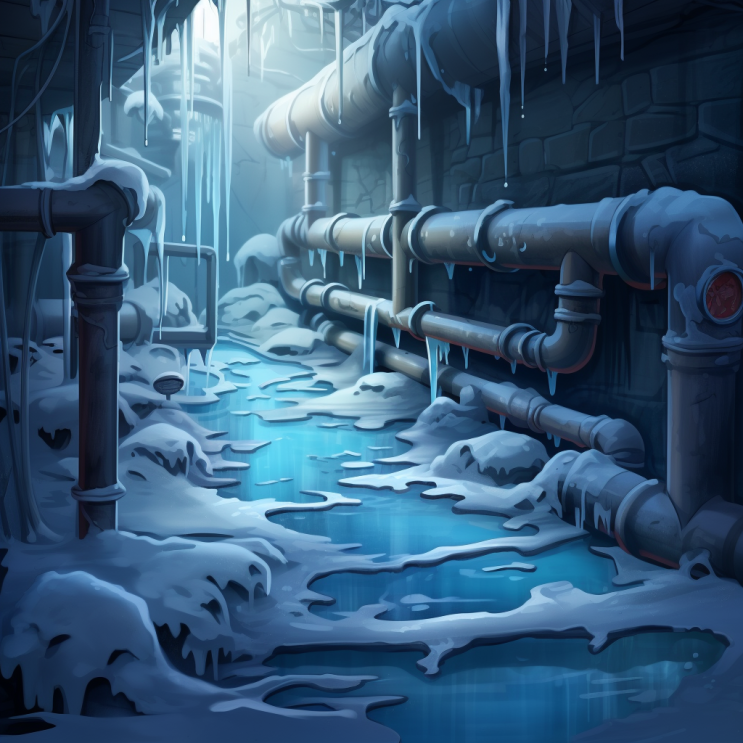
Frozen pipes occur when the water inside them turns to ice due to prolonged exposure to freezing temperatures. This is especially common in pipes that are located in unheated areas or are exposed to cold drafts.Common Causes of Frozen Pipes:
- Inadequate Insulation: Pipes in unheated areas like basements, attics, or exterior walls without proper insulation are more susceptible.
- Sudden Temperature Drops: Rapid decreases in temperature can catch establishments off guard, especially if preventive measures aren’t in place.
- Drafts: Cold air seeping in through gaps in doors, windows, or walls can directly chill the pipes.
Implications of Frozen Pipes:
- Water Disruption: Frozen pipes can halt the water supply, affecting operations, especially in peak business hours.
- Burst Pipes: The pressure from the ice can cause pipes to burst, leading to potential flooding.
- Property Damage: Water from burst pipes can damage the establishment’s interior, furniture, and other assets.
- Increased Operational Costs: Repairing the damage and restoring operations can be expensive.
- Health and Safety Concerns: Wet floors and areas can pose slip hazards for both staff and patrons.
Preventing and Addressing Frozen Pipes:
- Insulation: Ensure that all pipes, especially those in vulnerable areas, are well-insulated.
- Regular Maintenance: Have a routine check, especially before winter, to ensure no cracks or vulnerabilities exist in the plumbing system.
- Keep the Heat On: Even when the establishment is closed, maintain a minimum temperature to prevent freezing.
- Seal Drafts: Identify and seal any gaps or openings that let in cold air.
- Open Cabinet Doors: In colder months, keep cabinet doors open to allow warm air to circulate around pipes.
- Professional Thawing: If you suspect a pipe is frozen, it’s crucial to call professionals like CID Plumbing. We have the expertise to safely thaw the pipe and prevent potential bursts.
- Emergency Protocols: Train staff on immediate steps to take if they detect a frozen pipe or a burst, including shutting off the main water valve.
5 Preventative Measures Restaurants and Bars Can Take to Avoid Costly Plumbing Issues
Restaurant and bar owners know, the repercussions of overlooking preventative plumbing measures can be both costly and disruptive. While it’s essential to understand the common plumbing challenges faced by restaurants and bars, it’s equally vital to be proactive. By taking preventative measures, establishments can not only avoid many of these issues but also ensure a seamless experience for their patrons. In this section, we’ll delve into some key strategies that can make a significant difference in the long run.
1. Preventative Maintenance and Inspections
Overview:
Preventative maintenance and inspections involve a systematic check of all plumbing systems and fixtures in a restaurant or bar. This proactive approach ensures that potential issues are identified and addressed before they escalate into more significant, costly problems.Specific Actions to Take:
- Regular Plumbing Inspections: Schedule routine checks with a professional plumber. This should include inspecting faucets, pipes, toilets, drains, and other fixtures for any signs of wear, damage, or potential malfunction.
- Drain Cleaning: Regularly clean and clear drains to prevent blockages. This includes floor drains, which can often become clogged with debris in a busy restaurant setting. For businesses that place heavy strain on their drainage systems (like many restaurants and bars) routine jetting is likely necessary.
- Water Heater Maintenance: Ensure that the water heater is inspected for any signs of corrosion, leaks, or inefficiency. It should be flushed periodically to remove sediment buildup.
- Check for Leaks: Regularly inspect visible pipes and fixtures for any signs of leaks. Even minor drips can lead to significant water loss and potential damage over time.
Best Practices for Business Owners:
- Set a Schedule: Establish a consistent schedule for preventative maintenance. Whether it’s monthly, quarterly, or bi-annually, sticking to a routine ensures no aspect is overlooked.
- Keep Records: Maintain a log of all maintenance activities, including dates, findings, and any corrective actions taken. This can be invaluable for tracking recurring issues or ensuring warranties are honored.
- Educate Staff: Ensure that all staff members are trained to spot and report potential plumbing issues. Their day-to-day interaction with the facilities makes them the first line of defense against emerging problems.
- Choose Quality Over Cost: While it might be tempting to opt for cheaper services or parts, investing in quality can lead to long-term savings by reducing the frequency and severity of issues.
Benefits of Taking Action:
- Cost Savings: Addressing potential problems early on can prevent more extensive repairs or replacements in the future.
- Operational Efficiency: A well-maintained plumbing system ensures that the restaurant operates without disruptions, avoiding potential downtimes that can affect revenue.
- Enhanced Customer Experience: No customer wants to experience plumbing issues during their dining experience. Regular maintenance ensures a comfortable environment for patrons.
- Longevity of Systems: Regular checks and maintenance can extend the life of plumbing systems and fixtures, ensuring they serve the establishment for years to come.
2. Educate Your Staff
Overview:
Educating staff about the intricacies of the plumbing system might seem like an unconventional approach, but it’s a crucial step for restaurants and bars. Given that the staff interacts with the plumbing fixtures daily, they can be the first to notice irregularities. By training them on basic plumbing knowledge and what to look out for, you’re essentially adding more eyes and ears to catch potential issues early.Specific Actions to Take:
- Training Sessions: Organize regular training sessions where a plumbing expert can guide staff on the basics of the plumbing system, common issues, and immediate steps to take in case of emergencies.
- Clear Reporting Protocols: Establish a clear protocol for staff to report any plumbing irregularities they notice. This could be a dripping faucet, a toilet that doesn’t flush properly, or unusual noises from pipes.
- Provide Resources: Offer resources like manuals or quick-reference guides that staff can refer to for common plumbing concerns. This can be especially helpful for new employees.
- Emergency Drills: Conduct mock drills for plumbing emergencies, such as a major leak or a blocked drain during peak hours, to ensure staff knows the immediate actions to take.
Best Practices for Business Owners:
- Open Communication: Encourage an environment where staff feels comfortable reporting issues without fear of repercussions. The sooner you know about a problem, the quicker it can be addressed.
- Reward Vigilance: Consider recognizing and rewarding staff members who proactively report and address plumbing concerns. This can motivate others to be more observant.
- Stay Updated: As plumbing technologies and best practices evolve, ensure that the training materials and sessions are updated accordingly.
- Feedback Loop: Create a system where feedback from staff regarding plumbing issues is regularly reviewed and acted upon.
Benefits of Taking Action:
- Early Detection: With multiple staff members trained to spot issues, the chances of early detection of a plumbing problem increase manifold.
- Preventive Action: Early detection often means that issues can be addressed before they escalate, leading to potential savings and reduced disruption.
- Empowered Staff: When staff members are educated and know how to respond to situations, it boosts their confidence and ensures smoother operations during unforeseen plumbing challenges.
- Enhanced Customer Experience: Quick and efficient handling of any plumbing irregularities ensures that the customer’s experience remains unaffected.

3. Clear Your Drains Regularly
Overview:
While regular maintenance encompasses a broad spectrum of tasks, clearing drainage lines stands out as a task of paramount importance, especially for restaurants and bars. Given the volume of waste, especially organic waste, that goes down the drains of such establishments, regular cleaning becomes non-negotiable. Though it might seem repetitive to mention this after discussing routine maintenance, its significance cannot be overstated.Specific Actions to Take:
- Scheduled Cleaning: Set a regular schedule for drain cleaning, be it monthly, quarterly, or bi-annually, depending on the volume and nature of your establishment’s waste.
- Professional Jetting: Consider professional sewer jetting services, which use high-pressure water to effectively clear blockages and build-ups in drainage lines.
- Organic Solutions: For minor build-ups, using organic drain cleaning solutions can help break down waste without harming the environment or your pipes.
- Regular Inspections: Even if there’s no apparent blockage, have a professional inspect the drainage lines periodically using camera inspections to ensure there’s no build-up.
Best Practices for Business Owners:
- Avoid Harmful Chemicals: While it might be tempting to use strong chemical cleaners, they can damage your pipes and are harmful to the environment. Opt for eco-friendly or organic solutions.
- Educate Staff: Ensure that staff knows what can and cannot go down the drain. Simple practices like not pouring grease or oil can make a significant difference.
- Install Strainers: Use strainers in sinks to catch larger debris, preventing them from entering the drainage system.
- Keep Records: Maintain a log of when the drains were last cleaned and any issues that were observed. This can help in planning future cleanings and spotting patterns.
Benefits of Taking Action:
- Uninterrupted Operations: Regularly cleared drains mean fewer chances of unexpected blockages, ensuring smooth operations.
- Cost Savings: Addressing minor blockages or build-ups early on can prevent major plumbing issues down the line, saving on hefty repair costs.
- Hygiene and Cleanliness: Clean drains prevent backflows and odors, ensuring a hygienic environment for both staff and customers.
- Environmental Responsibility: By avoiding harmful chemicals and ensuring waste is properly managed, restaurants and bars can reduce their environmental impact.
4. Invest in Quality Insulation
Overview:
Insulation isn’t just about keeping the cold out and warmth in; it plays a pivotal role in safeguarding plumbing systems, especially in regions with colder climates like New York. For restaurants and bars, where plumbing disruptions can lead to significant operational challenges, investing in quality insulation for pipes is a proactive step towards preventing issues like frozen pipes and ensuring consistent water flow.Specific Actions to Take:
- Identify Vulnerable Areas: Start by identifying pipes that are exposed to external walls, unheated spaces, or are outside the building. These are the most susceptible to freezing.
- Choose the Right Insulation: There are various types of pipe insulation available, such as foam, fiberglass, and polyethylene. Consult with a plumbing expert to determine the best fit for your establishment.
- Regularly Check Insulation: Over time, insulation can wear out, get damp, or even be damaged. Regular checks, especially before the colder months, can ensure it remains effective.
- Consider Pipe Heating Cables: For extremely vulnerable pipes, consider using heating cables that can be wrapped around the pipe to keep it warm during freezing conditions.
Best Practices for Business Owners:
- Prioritize Critical Areas: While it’s ideal to insulate all pipes, start with the ones most at risk. Areas like basements, attics, and external walls should be top priority.
- Seal Gaps and Cracks: Ensure that there are no gaps or cracks in the walls or floors near the pipes. Cold air can seep in, increasing the risk of freezing.
- Maintain a Minimum Temperature: Even during off-hours or when the establishment is closed, maintain a minimum temperature to ensure pipes don’t freeze.
- Seek Professional Guidance: Engage with a plumbing expert to assess the insulation needs of your establishment and get recommendations tailored to your specific situation.
Benefits of Taking Action:
- Avoid Costly Repairs: Frozen pipes can burst, leading to extensive water damage and costly repairs. Quality insulation can prevent such scenarios.
- Consistent Operations: With well-insulated pipes, restaurants and bars can ensure consistent water supply without disruptions, especially during peak business hours.
- Energy Savings: Proper insulation can also lead to energy savings, as less heat is lost from hot water pipes, and heating systems don’t have to work as hard.
- Longevity of Plumbing Systems: Quality insulation can extend the life of your plumbing systems, reducing wear and tear due to temperature fluctuations.

5. Establish a Relationship With a Local Plumber
Overview:
Having a reliable network of service providers is crucial – especially during peak periods when they are overwhelmed with calls (e.g., periods with heavy rain / flooding or cold temperatures). One of the most essential relationships to cultivate is with a trustworthy local plumber. Establishing a strong rapport with a plumbing professional ensures that when issues arise, you have someone knowledgeable and familiar with your establishment’s plumbing system ready to assist.Specific Actions to Take:
- Research and Vet Potential Plumbers: Start by seeking recommendations from fellow business owners or checking online reviews. CID Plumbing, for instance, boasts a stellar 5-star rating on Google, reflecting our commitment to excellence.
- Schedule Regular Check-ups: Just as you’d have regular health check-ups, your plumbing system benefits from routine inspections. This proactive approach can identify potential issues before they escalate.
- Maintain Open Communication: Ensure you have a direct line of communication with your plumber. At CID Plumbing, customers speak directly with a plumber, ensuring clarity and prompt service.
- Discuss and Plan for Emergencies: Understand the plumber’s availability for emergency situations, especially during peak business hours or special events.
Best Practices for Business Owners:
- Maintain Service Records: Keep a log of all plumbing services, inspections, and repairs. This historical data can be invaluable for troubleshooting future issues.
- Seek Feedback: After a service call, ask the plumber for feedback on the overall health of your plumbing system and any potential concerns.
- Stay Informed: A good plumber will keep you informed about the latest plumbing technologies, solutions, and best practices that can benefit your establishment.
Benefits of Taking Action:
- Prompt Service: A well-established relationship often translates to faster response times during emergencies.
- Cost Savings: Regular maintenance and early detection of issues can lead to significant savings in the long run.
- Peace of Mind: Knowing you have a reliable plumber who’s familiar with your establishment’s plumbing intricacies offers peace of mind.
- Tailored Solutions: A plumber who understands your business can offer solutions tailored to your specific needs, ensuring optimal functionality and efficiency.